
Every driver eventually faces the question of whether to spend money on the car or let it go. This guide walks through how to think about it honestly, system by system, without anyone trying to sell you either answer. For a real diagnosis on your vehicle, call 603-945-0799.
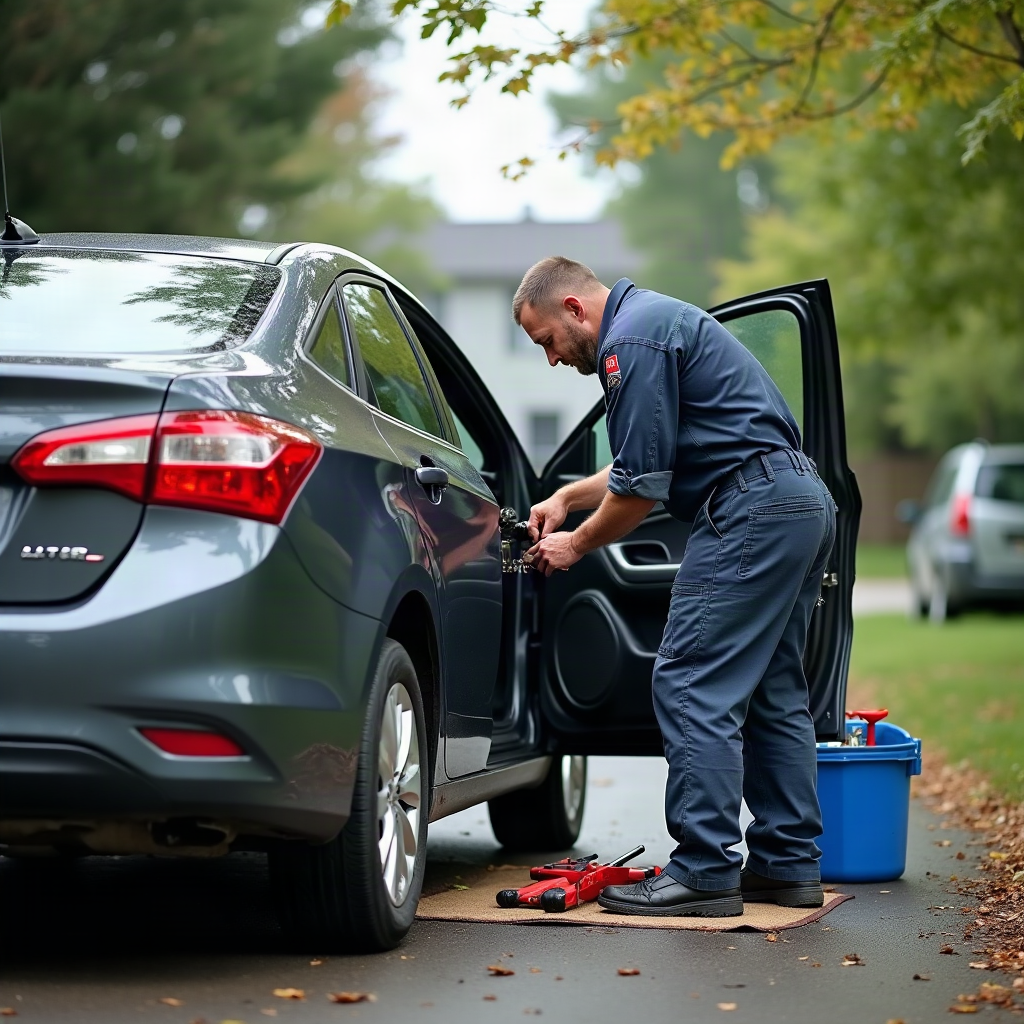
Most people ask whether the repair is worth more than the car. That is the wrong question, because it compares a repair bill against a number nobody is actually offering you.
The better question is this: what does the next year of motoring cost on each path? Spending eight hundred dollars on a car that then runs reliably for two more years is cheap transportation by any measure. Spending the same eight hundred on a vehicle with rusted brake lines, a tired transmission and a leaking cooling system is the first payment of several.
So the thing that decides it is rarely the price of the current repair. It is the condition of everything you are not fixing today, and whether the repair you are considering is the end of the list or the start of it.
General guidance on the systems that most often force the decision. None of this is a verdict on your car, which needs looking at.
Almost always worth repairing. Brakes are a wear system: pads, rotors and calipers are replaceable items on any vehicle, the parts are reasonable and the work is predictable. Brake condition on its own very rarely justifies letting a car go.
Worth repairing, almost without exception. These are bolt on components with sensible prices. A no start fault is one of the cheapest serious sounding problems a car can have.
Usually worth repairing, and worth doing quickly. Hoses, thermostats, water pumps and radiators are normal maintenance items. What turns this into a replace decision is an overheat that has already damaged the engine.
A judgement call. A leak and a recharge is modest money. A failed compressor on an older vehicle can be a four figure job, and plenty of people reasonably choose to live without it rather than spend that.
The hardest one. Fluid and sensor work is routine and worth doing. A full rebuild or replacement often costs a significant fraction of the vehicle’s value, and on a high mileage car that is frequently where people stop.
This is the genuine replace signal in our climate. Road salt eating brake lines, fuel lines, subframes and suspension mounting points is not a repair you do once. Structural rust is usually the end of the road.
Is this repair the end of the list, or the start? One known fault on an otherwise sound car is a repair. One known fault plus four things the mechanic mentioned in passing is a pattern, and the pattern is what you are really deciding about.
How is the underside? In New Hampshire this matters more than mileage. A rust free underbody on a high mileage car is worth keeping. A corroded one on a low mileage car is a series of future bills regardless of the odometer.
What would replacing it actually cost you? Not the sticker price of a newer car, but the real difference after what yours is worth, plus taxes, registration and whatever the replacement needs in its first few months. That number is usually larger than people assume, which is why repairing often wins.
Do you trust the diagnosis? This decision is only as good as the information underneath it. A clear explanation of what is wrong, what it costs, and what else is visibly coming is worth paying for before you decide anything. Being told a car is finished without being shown why is not a diagnosis.
We will tell you honestly when we think a repair is not worth your money. There is no commission here on talking somebody into a job, and a customer who was told the truth about one car is a customer who calls about the next one.
What drivers ask when they are weighing up a car’s future.
1
No. Condition beats mileage every time, and in this climate the underside matters more than the odometer. Well maintained vehicles pass two hundred thousand miles routinely while neglected ones are finished far earlier.
2
It depends on the fault. Brakes, a battery or anything making a noise is usually worth sorting, because an obvious fault costs more off the price than the repair costs. A big mechanical job rarely pays back on a sale.
3
Yes, plainly. We would rather say so than take money for work that puts you back in the same position in three months.
4
Yes, and it is one of the most useful things we do. A pre purchase inspection at the seller’s location, especially the underside, tells you what a test drive never will.
5
Often, yes, if the repair is a wear item and the structure is sound. Cheap reliable transport is frequently an older car that somebody kept properly maintained.
6
Compare it against published planning ranges, and ask what the diagnosis actually was. A fair quote comes with an explanation of the fault, not just a figure and a part name.
Planning ranges for the repairs discussed here are in the guides at Helpful Guides Keene NH, which also cover the faults we see most and the jobs that need a workshop. For an honest opinion on your own vehicle, Mobile Mechanic Keene NH comes to wherever it is parked.
Call 603-945-0799 for an honest diagnosis before you decide.